Furniture and Product Design Intern
Research trends, develop concepts and mood boards, and contribute to live physical product directions.
- Concept research
- Mood boards
- Product direction
Most design internships in Europe end at the render. In Bali, the factory is down the road. The island has a long-established furniture and homeware manufacturing base, which means a design intern here follows a piece from mood board to 3D model to prototype to production — the full arc, in one placement, at a stage in your career when you would normally only see one slice of it.
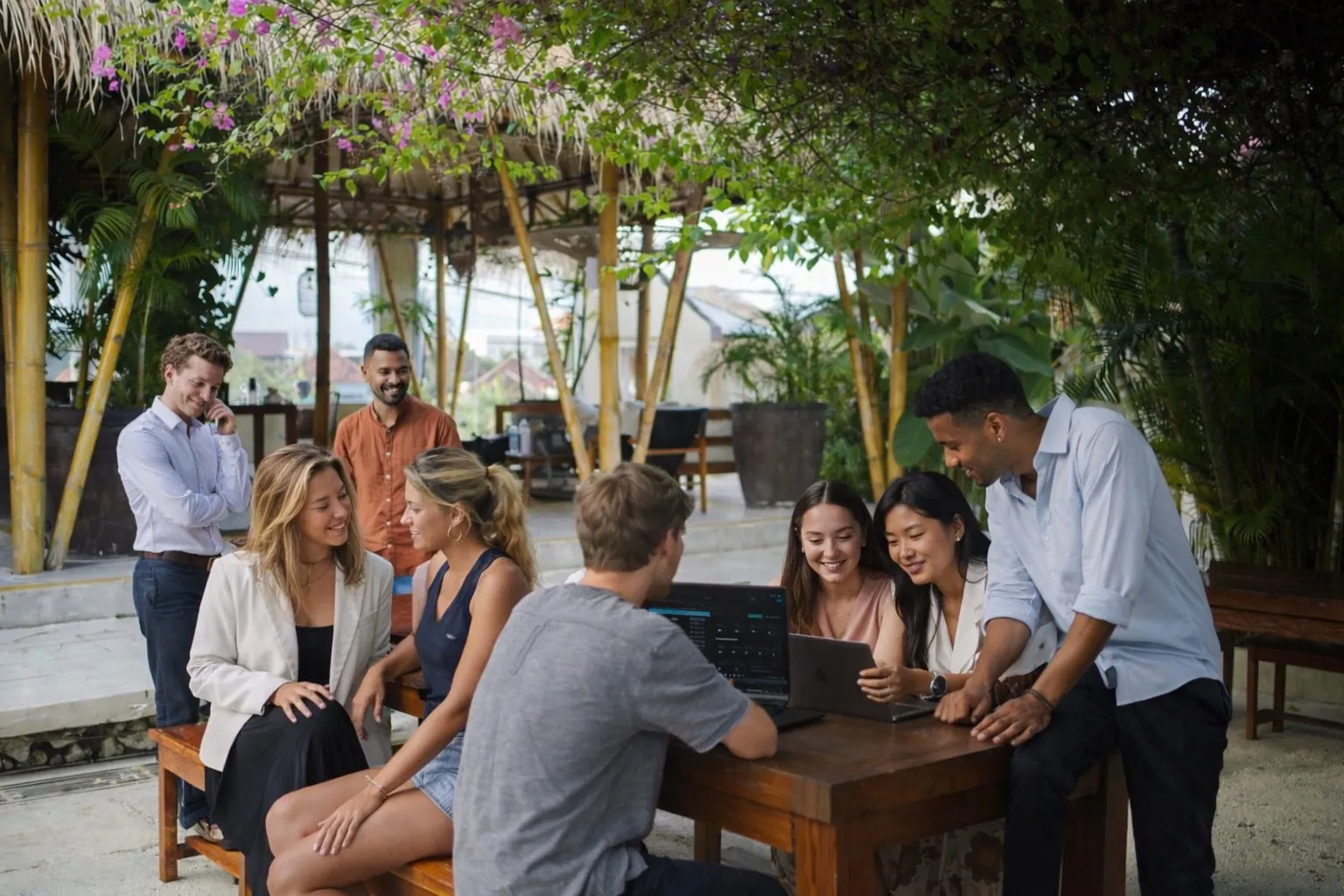
You apply to the track, not to a job ad. We match you to the role that fits your degree, skills, and career direction. Here are the 8 roles it could be.
Research trends, develop concepts and mood boards, and contribute to live physical product directions.
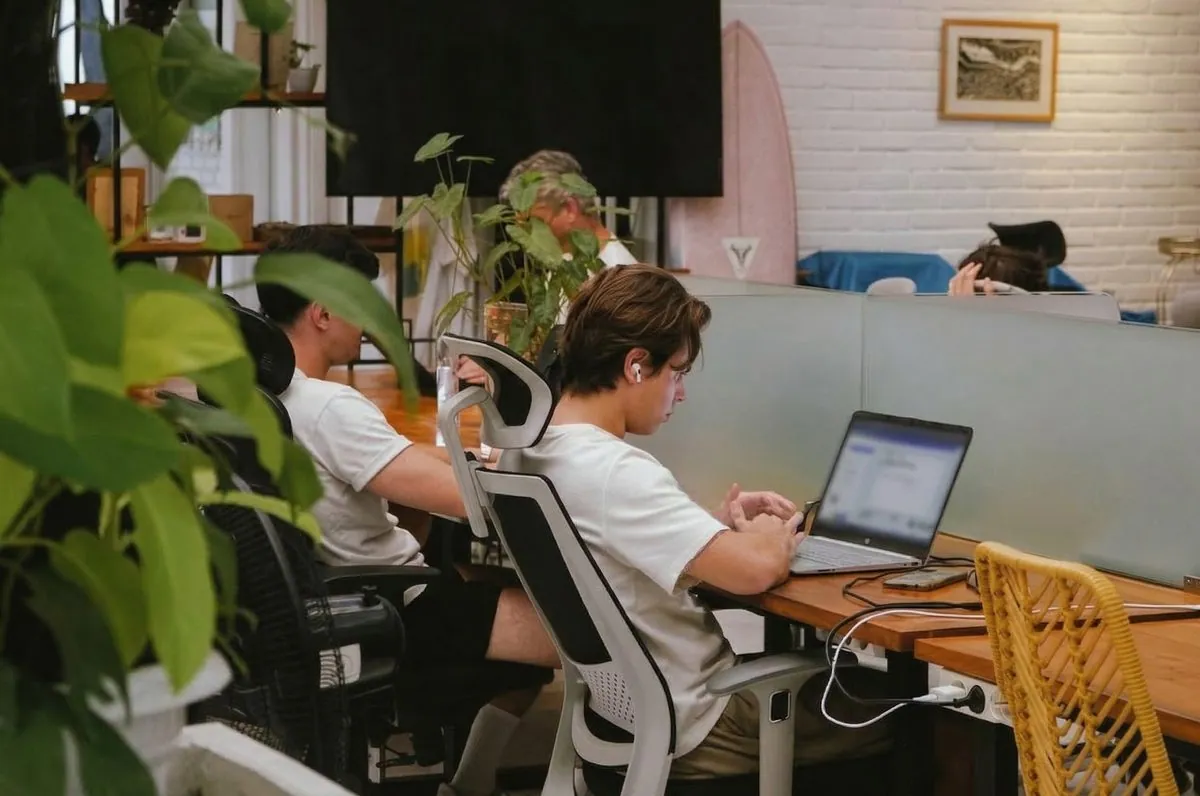
Support prototypes, product documentation, supplier handover, and launch materials from idea to production.
Create 3D models and visualisations that help teams review, cost, and present new products.
Design interfaces and user flows in Figma for apps, websites, and digital products.
Create social, campaign, packaging, and marketing collateral across Adobe Creative Cloud and Figma.
Build high-converting landing pages and websites in Webflow, WordPress, or a modern front-end stack.
Create animated visual assets for brand, product, launch, and social content.
Support concepts, layouts, sourcing, and visual presentations for villas, hospitality venues, and retail spaces.
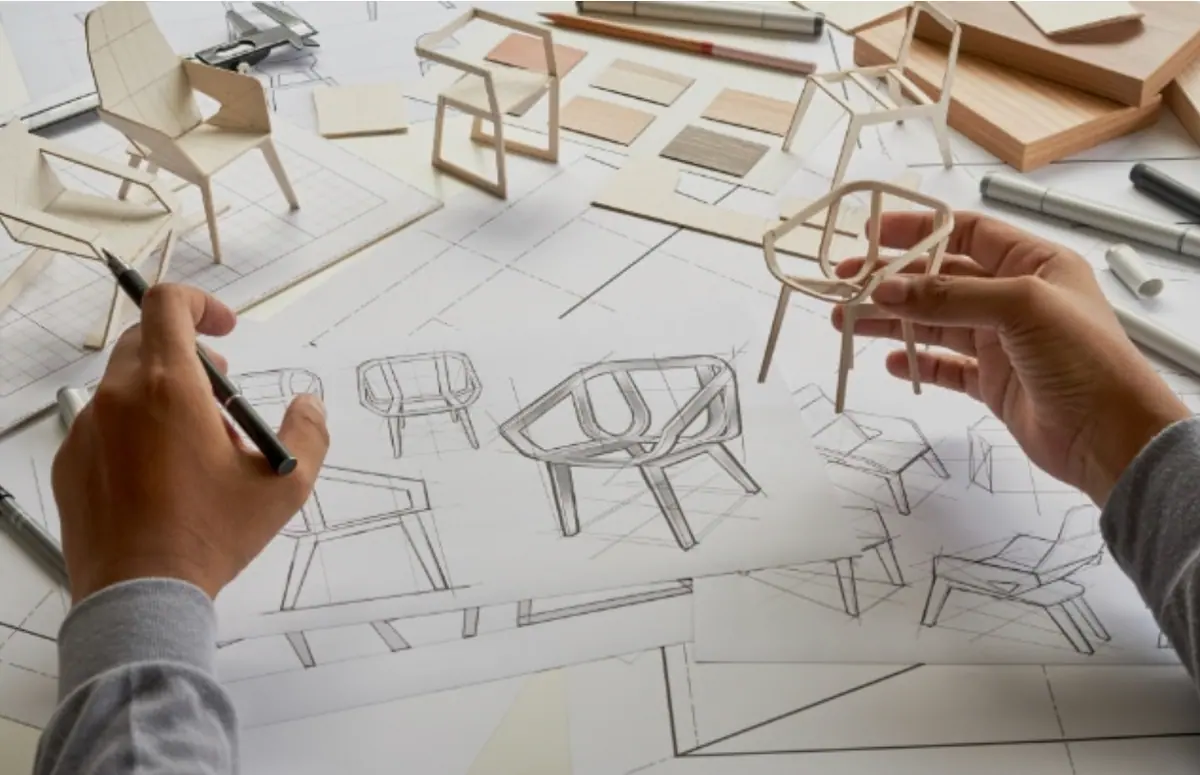
Research trends, develop concepts and mood boards, and contribute to live physical product directions.

Support prototypes, product documentation, supplier handover, and launch materials from idea to production.
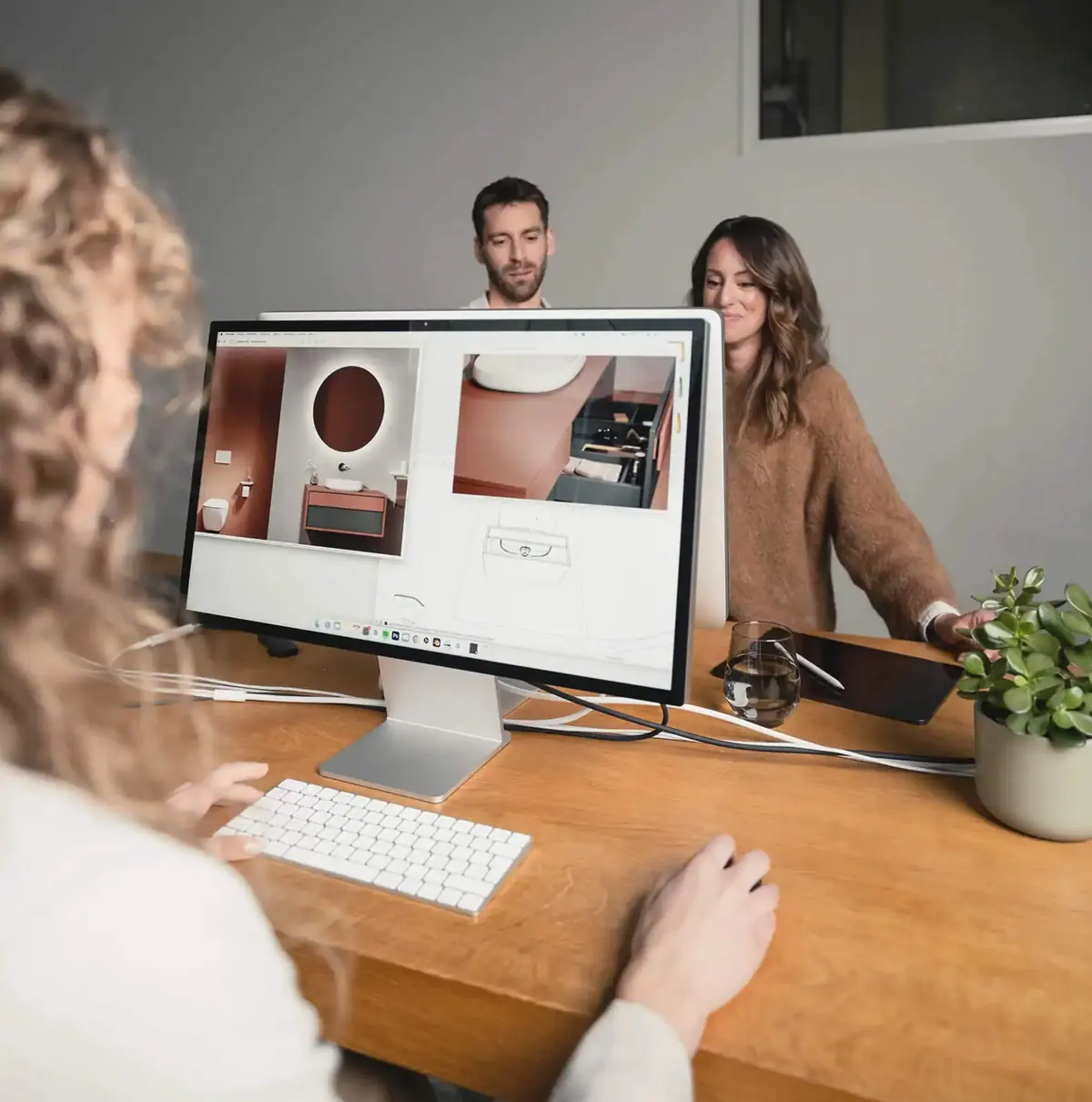
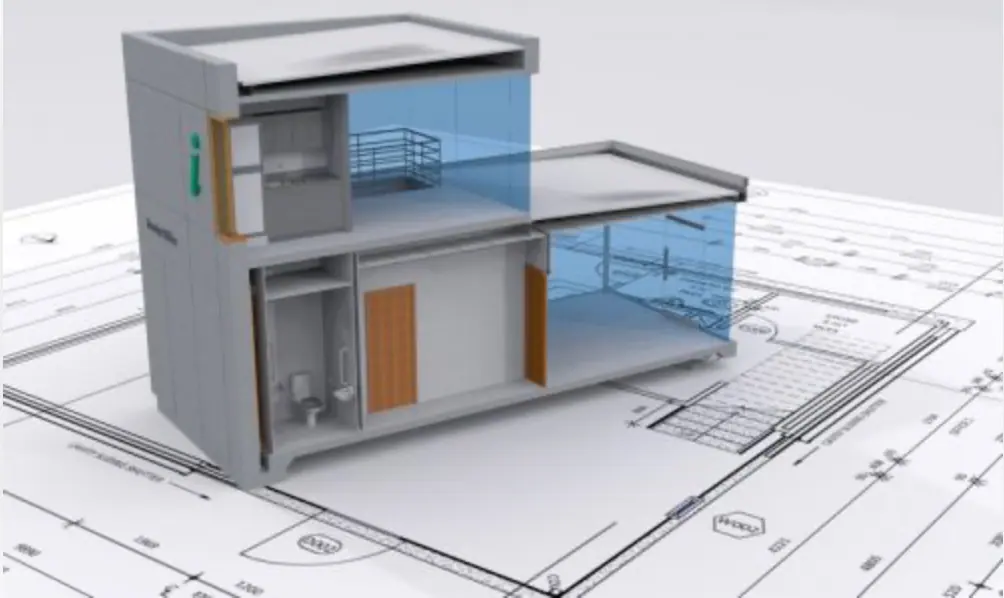
Create 3D models and visualisations that help teams review, cost, and present new products.
Design interfaces and user flows in Figma for apps, websites, and digital products.
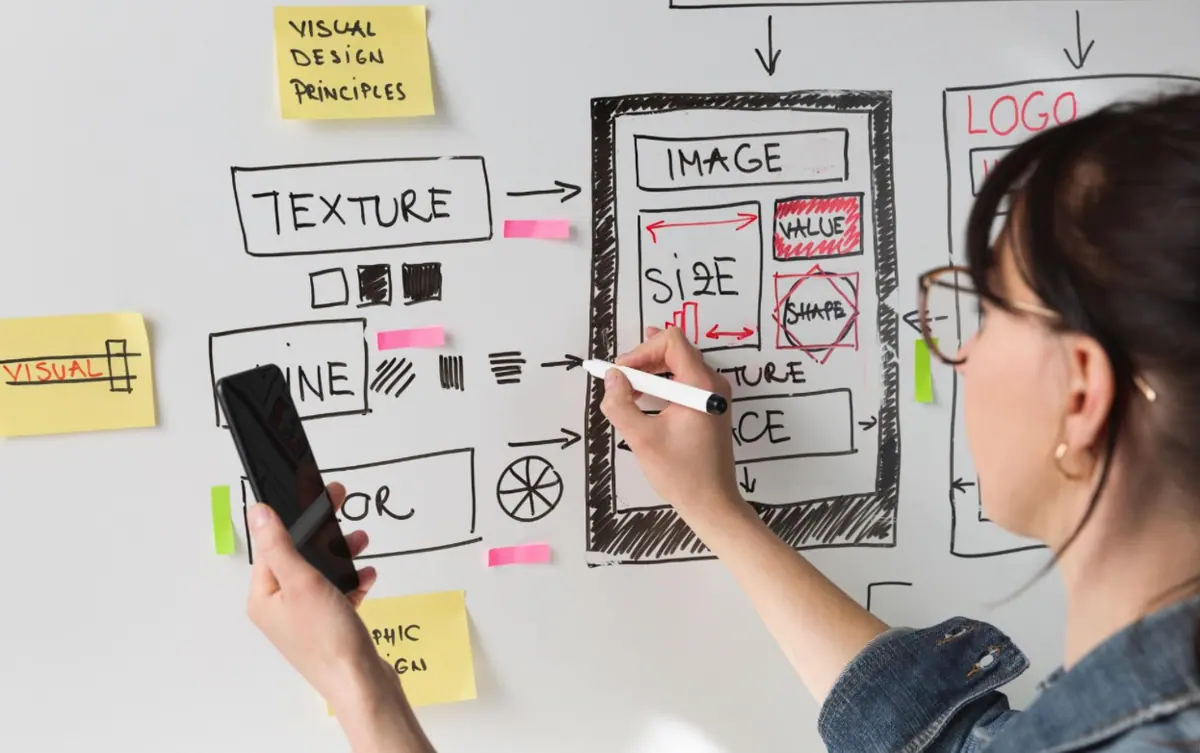
Create social, campaign, packaging, and marketing collateral across Adobe Creative Cloud and Figma.

Build high-converting landing pages and websites in Webflow, WordPress, or a modern front-end stack.
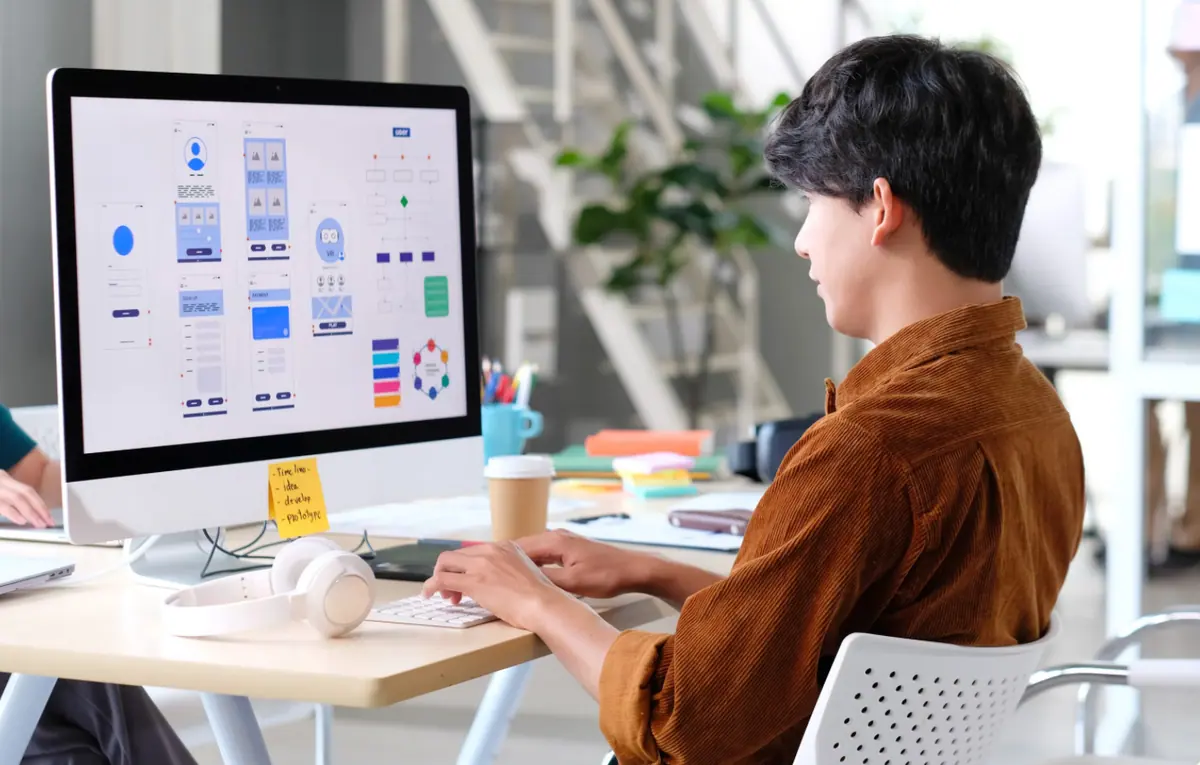
Create animated visual assets for brand, product, launch, and social content.
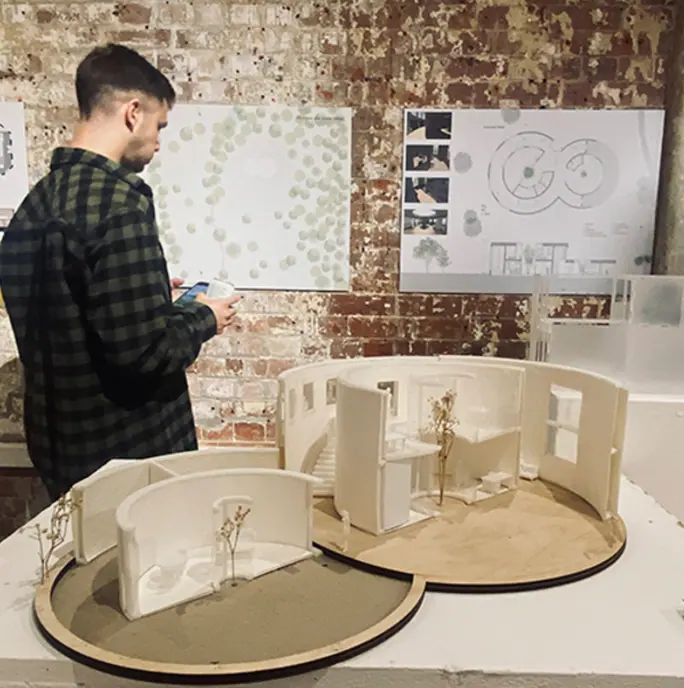
Support concepts, layouts, sourcing, and visual presentations for villas, hospitality venues, and retail spaces.
You are matched to a role after your intro call. Applying earlier means more of these are still on the table.
Apply free — takes 10 minutesDesign interns in Bali work across the whole product cycle rather than one narrow stage of it.
Study what is selling, what competitors are launching, and where a brand's next collection should sit — then turn that into a direction the team can design against.
Develop concepts from a written brief into visual directions, and present them to the people who decide what gets made.
Build the 3D models and product visuals that let a team judge proportion, material, and cost before anything is cut.
Support prototype rounds, produce the product documentation that goes to the workshop, and prepare catalogue and launch materials.
Concepts, models, and prototypes tied to real commercial products — the difference between a student portfolio and a professional one.
Insight into materials, tolerances, cost, and production constraints in Bali's furniture industry while you are still studying.
Feedback from people running the brand, not a layer of middle management removed from the design decisions.
Design experience in a genuinely international setting alongside co-interns from European universities.
From early concepts to prototypes and studio feedback, you contribute to a real design process in English with an international team.
Start with a live brief, reference research, material exploration, or early product concepts with the team.
Share work in progress, get feedback, and see how commercial, material, and visual decisions come together.
Refine visuals, models, documentation, or launch assets and hand over work that moves the project forward.
Use your evenings and weekends to explore Bali with the other interns in your cohort.
Yes. Island Internship provides the full documentation package your university requires — internship agreement, named supervisor, learning objectives, mid-term evaluation, and final evaluation. Students from Dutch and European universities have earned academic credit through these placements.
Comfort with a 3D modelling package and standard Adobe tools covers most of the work. Host companies care more about how you develop and present a concept than which software you developed it in. If your course taught you one CAD package and the studio uses another, that is a normal adjustment and not a barrier to placement.
A portfolio helps, but it does not need to be professional work. Course projects, personal projects, and sketchbook development are all useful. Design host companies want to see how you think through a problem, so process work is often more persuasive than finished renders.
Yes, and that is the main reason to do this placement in Bali specifically. The island has a long-established furniture and homeware manufacturing base, so design work sits unusually close to production. Interns typically see the full path from concept and prototype through to how a piece is actually made — exposure that is difficult to get in a European studio at internship level.
The program fee is €449 (Essentials) or €649 (Full Support, which includes housing, airport pickup, and scooter). Monthly living costs in Bali typically run €440–€630. See the full pricing breakdown at islandinternship.com/pricing.
You only pay once matched and confirmed. The application is free and takes 10 minutes.
Nederlandse student? Bekijk onze stageplek in Bali.
Étudiant français ? Découvrez notre stage à Bali.