Biology Intern — Aquatic Plants and Biomass
Design experiments and optimise growing conditions for lower-impact biological production.
- Experiment design
- Biomass research
- Production insight
Sustainability students who want to do more than write reports about other people's work need environments where ESG actually shapes decisions. Bali has a growing ecosystem of impact-led businesses, eco-conscious hospitality brands, and NGOs where sustainability is core to operations — not a marketing add-on. Your required semester, in a context where the work genuinely matters.
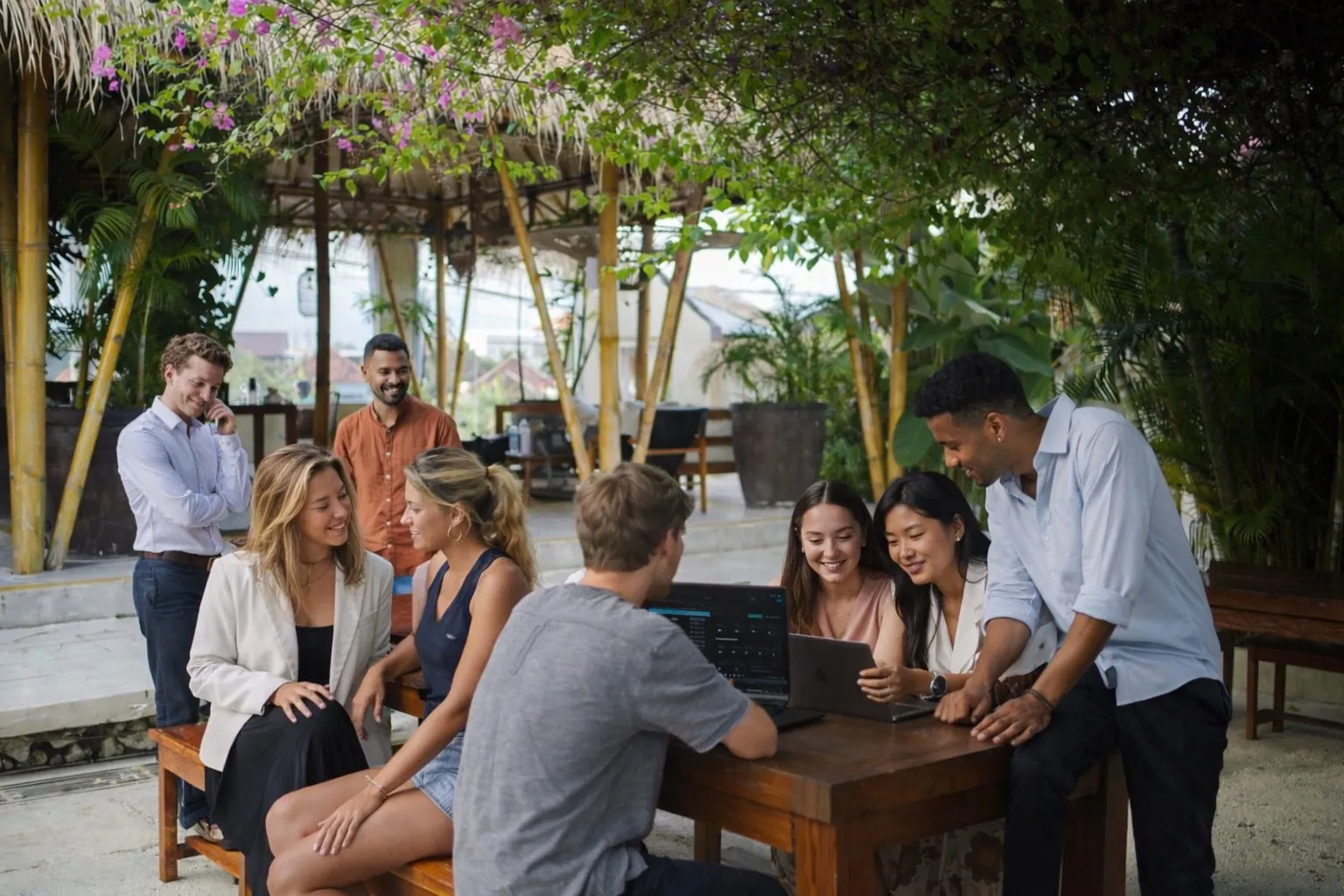
You apply to the track, not to a job ad. We match you to the role that fits your degree, skills, and career direction. Here are the 8 roles it could be.
Design experiments, optimise growth conditions and yield, and help link biology to scalable lower-impact production.

Run research, test sustainability ideas, and produce the analysis behind long-term impact strategy.
Support grant research, evidence gathering, and funding applications alongside the people delivering the work.
Support reef, coastal, or marine-project monitoring, data collection, community education, and conservation fieldwork.
Contribute to biodiversity surveys, environmental monitoring, field data, and impact-assessment preparation.
Support project research, feasibility analysis, stakeholder materials, and reporting for clean-energy initiatives.
Collect sustainability data and turn it into clear ESG, impact, or stakeholder reporting for growing companies.
Work with farms and food systems on soil health, crop systems, composting, and regenerative production practices.
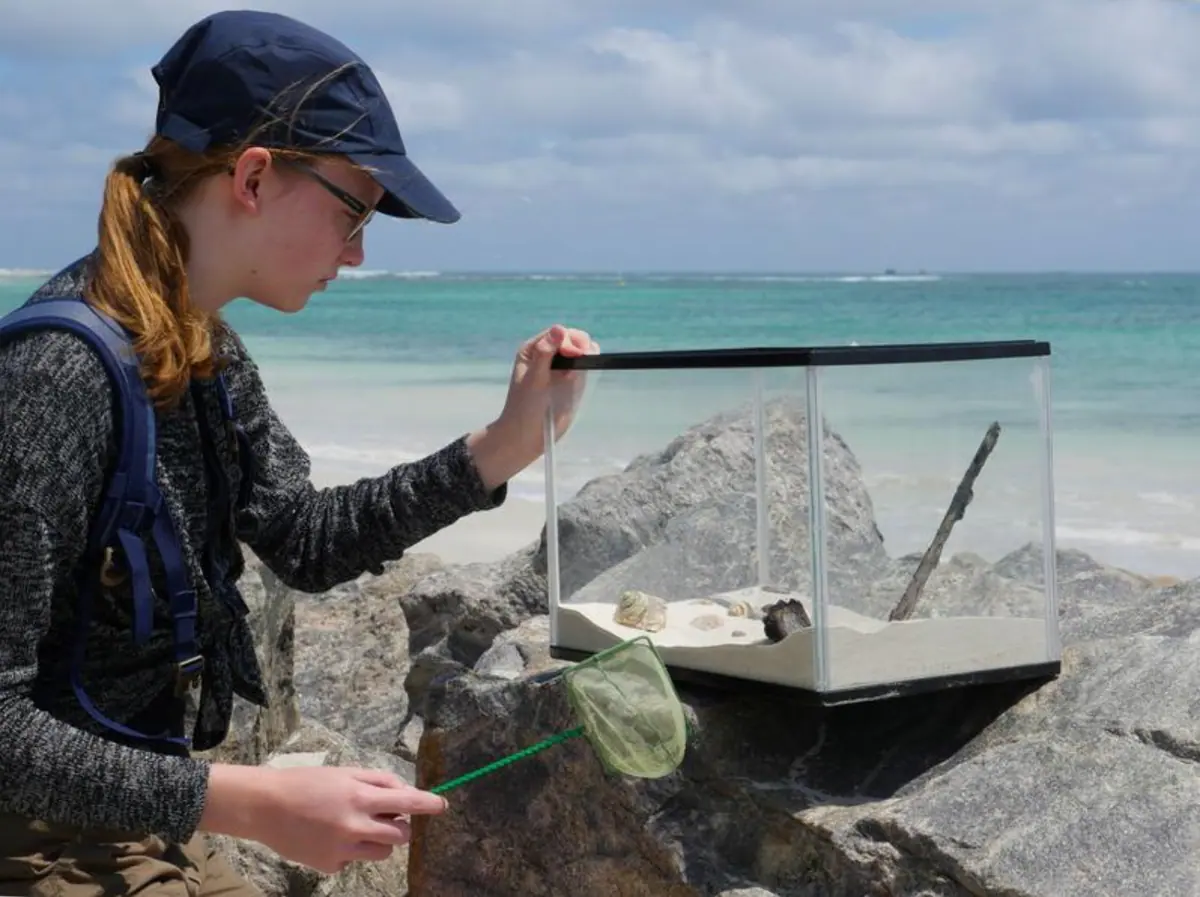
Design experiments and optimise growing conditions for lower-impact biological production.
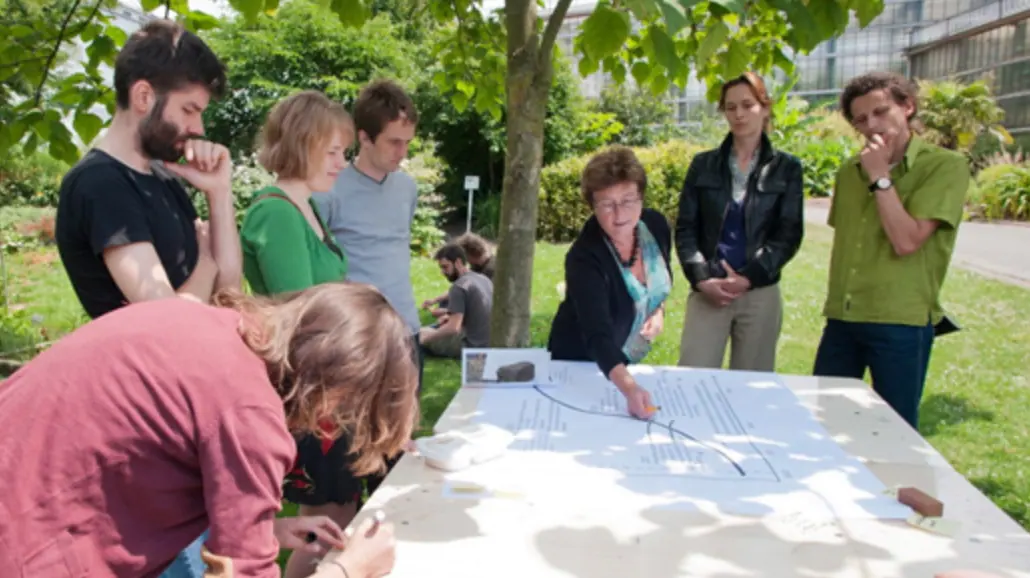
Test sustainability ideas and produce the evidence behind long-term impact strategy.

Support grant research, evidence gathering, and clear funding applications for active projects.
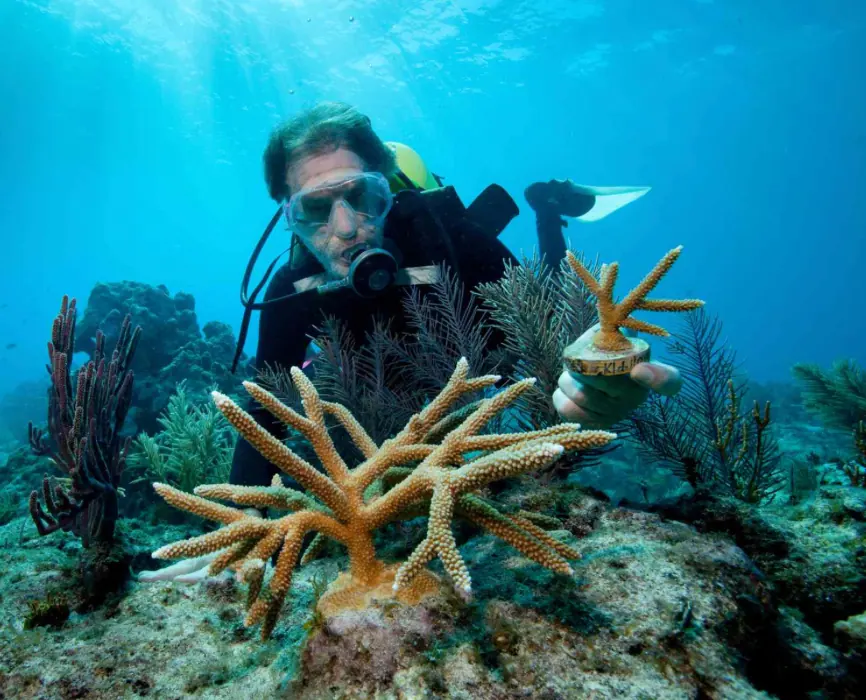
Contribute to reef monitoring, community education, and conservation fieldwork.
Contribute to biodiversity surveys, monitoring, and impact-assessment preparation in the field.
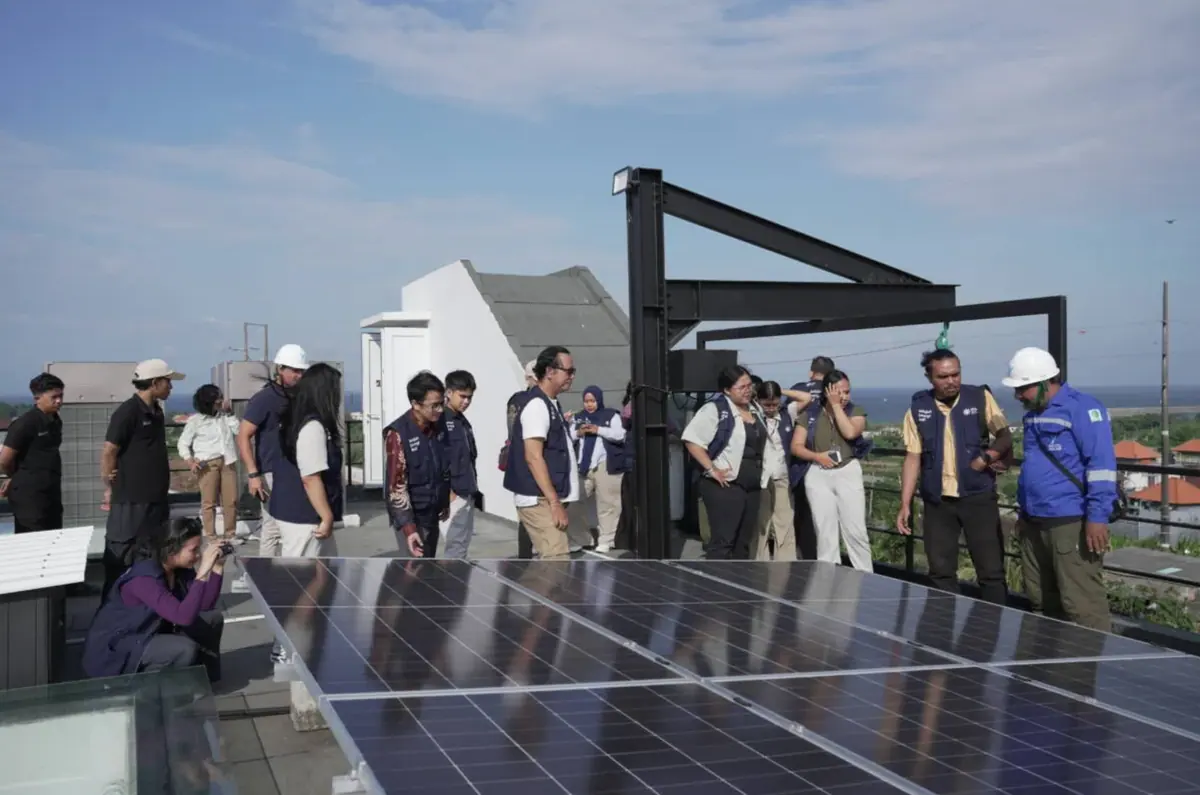
Support feasibility analysis, stakeholder materials, and reporting for clean-energy projects.

Turn sustainability data into clear ESG, impact, and stakeholder reporting.
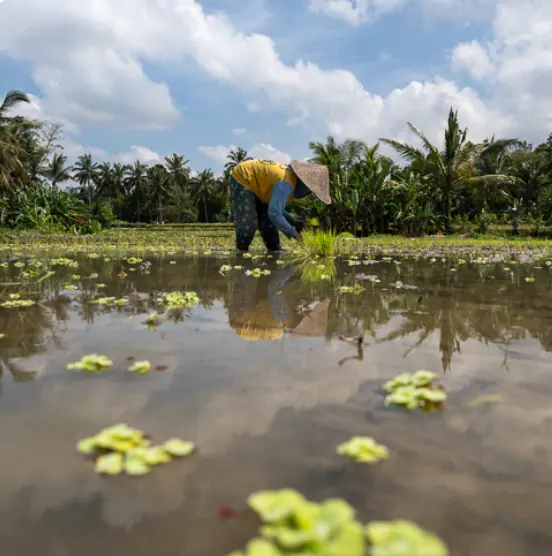
Work with farms and food systems on soil health and lower-impact production practices.
You are matched to a role after your intro call. Applying earlier means more of these are still on the table.
Apply free — takes 10 minutesSustainability interns in Bali contribute to live programs — not synthetic case studies or department filing tasks.
Gather data, structure reporting frameworks, and produce ESG documentation for stakeholders, investors, and compliance.
Apply measurement frameworks that show the environmental and social outcomes of a live program.
Work alongside teams delivering waste, carbon, biodiversity, marine, and clean-energy initiatives.
Contribute to coordination and reporting for CSR, community, and regenerative initiatives in Bali.
Reports, impact frameworks, and sustainability communications you produced and can explain in an interview.
See how ESG affects costs, partners, operations, and positioning rather than treating it as a separate theory project.
Build relationships with practitioners, NGO operators, host teams, and your international intern cohort.
Leave with first-hand clarity on corporate ESG, conservation, renewable energy, NGO work, or regenerative systems.
Your days combine focused project work, real conversations with the people delivering change, and Bali's living natural environment.
Start with live data, field notes, stakeholder research, and reporting tasks moving through your host team.
Team check-ins make the trade-offs visible: impact goals, budgets, local context, and what moves a project forward.
Finish a research summary, reporting input, fieldwork output, or stakeholder material that can be used next week.
Explore the island with your cohort, from beach clean-ups and local cafes to weekend trips and shared dinners.
Yes. Island Internship provides the internship agreement, named supervisor, learning objectives, mid-term evaluation, and final evaluation report your university needs for approval.
Work varies by host, but includes ESG reporting, impact measurement, environmental initiatives, field research, and CSR coordination. You contribute to live programs, not synthetic case studies.
Placements are with impact-led businesses, eco-conscious hospitality brands, renewable-energy teams, farms, and NGOs where sustainability shapes operations.
Most placements run for 3 to 6 months and the usual minimum is 10 weeks. Apply early for the broadest range of placement options.
The program fee is €449 for Essentials or €649 for Full Support. Monthly living costs in Bali typically run €440–€630. See the full breakdown at pricing.
You only pay once matched and confirmed. The application is free and takes 10 minutes.