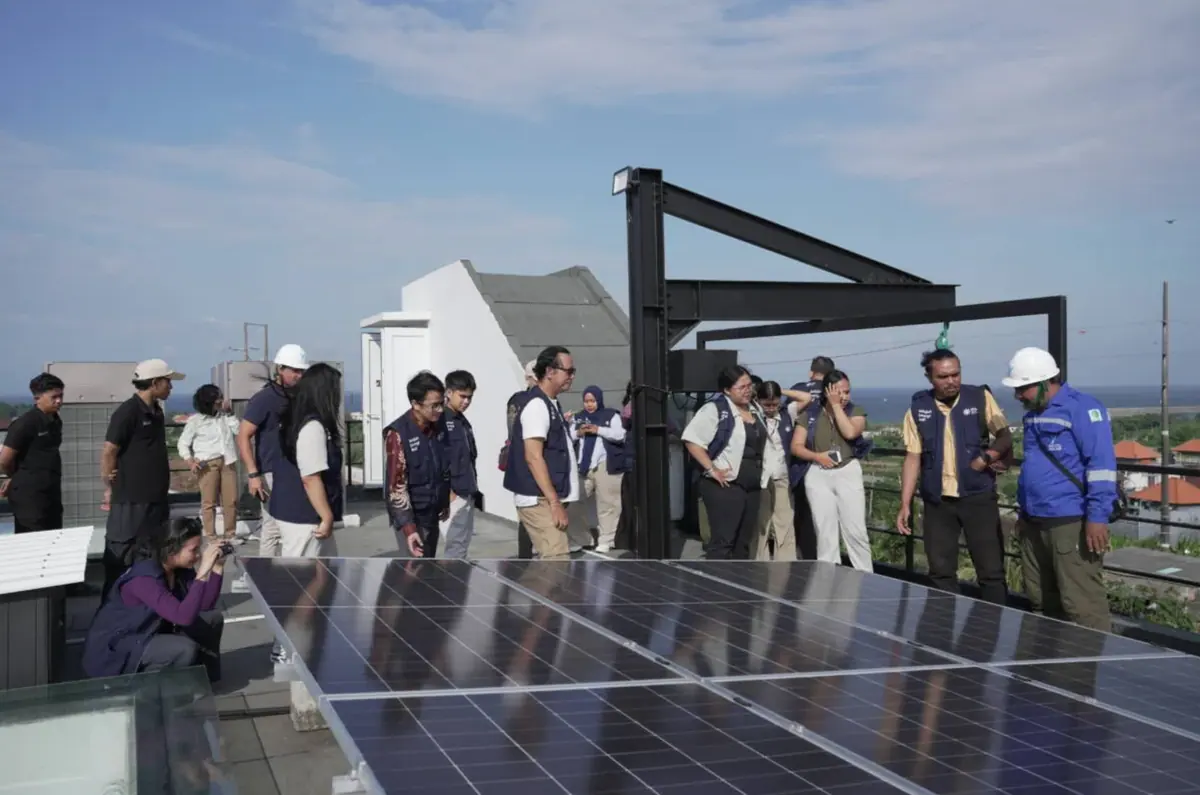
Support project research, feasibility analysis, stakeholder materials, and reporting for clean-energy initiatives. You take on a defined piece of live work with a named supervisor, building practical experience you can explain well after the semester ends.

The exact project depends on your host. You will work through a defined part of the process, building evidence and outputs the team can use.
Research clean-energy project inputs. Your supervisor gives context and feedback, so you understand not only what you are doing but why it matters.
Support feasibility and comparison work. Your supervisor gives context and feedback, so you understand not only what you are doing but why it matters.
Prepare clear stakeholder materials and reporting. Your supervisor gives context and feedback, so you understand not only what you are doing but why it matters.
A scoped contribution
A defined piece of a live project: research, fieldwork, analysis, reporting, or coordination. It is reviewed by a supervisor and designed to contribute to the wider work.
The whole programme
Final decisions, budgets, legal accountability, or running a conservation or impact programme alone. You learn how these work without being expected to carry them.
A host team is assessing a clean-energy opportunity. You research a defined part of the brief, compare practical considerations such as demand, costs, or site conditions, and help prepare a summary that makes the next decision easier for stakeholders.
It is the kind of work you can talk through in an interview because you understand the question, the evidence, and what the team did next.
A relevant degree and curiosity about practical impact work matter more than having done this exact job before.
Coworking, weekends, orientation, and the students you'll be there with — straight from @islandinternships.
A scoped deliverable and a clear story about the project, your contribution, and what it informed.
See how environmental and social goals shape decisions, operations, reporting, and partnerships in a live organisation.
Learn whether conservation, ESG, research, clean energy, or regenerative systems is the direction you want to pursue.
You apply to the track, not a single job ad — we match you to the role that fits.
Renewable energy interns support live clean-energy initiatives with research, feasibility inputs, analysis, stakeholder materials, and reporting. Your placement is matched to your study background and the host team's current project.
Yes. We provide the internship agreement, named supervisor, learning objectives, mid-term evaluation, and final evaluation report universities commonly require.
Placements run 3 to 6 months, with a 10-week minimum. Program fees are €449 for Essentials or €649 for Full Support; monthly Bali living costs are typically €440–€630.
You only pay once matched and confirmed. The application is free and takes 10 minutes.